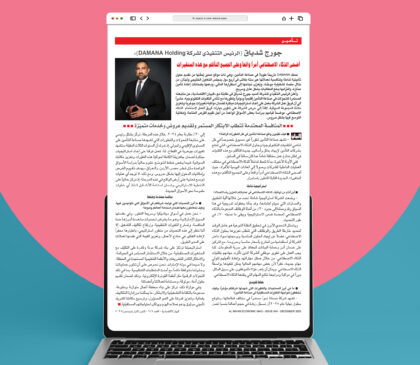
How to Navigate and Address Policy Exclusions in the GCC
Insurance policies are tools of protection, but they are not infinite shields. Every policy includes a set of exclusions, specific conditions or scenarios where coverage does not apply. These exclusions exist for good reason: to keep premiums affordable, reduce exposure to unmanageable risk, and ensure policies remain sustainable in the long run.
However, in the GCC, where business environments evolve rapidly, regulations vary by territory, and environmental risks are rising, navigating exclusions takes on greater complexity. For corporate decision-makers, understanding what’s not covered is just as important as knowing what is.
So, how can your business work around exclusions and still maintain robust protection?
The first step is to read and understand your policy wordings. Exclusions can be buried in legalese or vary across insurers. A clause as simple as ‘wear and tear’ or ‘negligence’ might be interpreted differently depending on jurisdiction. In places like the UAE or Oman, for instance, where environmental exposure is high, exclusions related to sand damage, corrosion, or flooding may be standard unless explicitly included.
Environmental exposure is also particularly relevant in coastal markets such as Bahrain, where businesses operating near marine infrastructure face accelerated equipment deterioration due to saltwater and humidity. Insurance policies often categorize corrosion as gradual deterioration rather than sudden damage, meaning it can fall under standard ‘wear and tear’ exclusions unless specific coverage extensions are arranged.
Next, ask the right questions:
- Is the exclusion absolute, or are there exceptions to it?
- Can coverage be extended through an endorsement or rider?
- What does the local regulator say about the limitation?
A real-life example brings this into focus: During the unprecedented floods that hit Dubai in April 2024, resulting in damages exceeding US$2.9 billion, many businesses discovered that their policies excluded natural disasters unless specifically requested. Those with comprehensive motor and property insurance extensions were able to claim losses, while those relying solely on standard coverage faced significant out-of-pocket costs.
In the aftermath of the floods, insurers across the UAE reported a surge in motor and property claims. However, industry guidance clarified that coverage depended heavily on the specific wording of each policy. In several cases, claims were challenged when vehicles had been driven through flooded roads or left parked in areas known to be vulnerable to water accumulation.
Here’s how to proactively manage exclusions in your corporate policies across the GCC:
Use Policy Endorsements to Fill Gaps
Insurers in the Gulf often allow customizations. If a critical exclusion exists, such as off-road driving, riot and strike damage, or mechanical breakdown, consider adding endorsements to your coverage.
Perform Regular Risk Assessments
What exclusions matter most will depend on your operational profile. A fleet operating between urban hubs in the UAE and desert zones in Oman faces very different risks than a static retail operation in Bahrain.
Work With Insurers That Understand the Region
Not all insurance partners offer the same level of regional customization. DAMANA, with our extensive footprint across the GCC, works closely with businesses to identify critical exclusions and offer practical ways to address them.
In Kuwait, for example, severe hailstorms in recent years have caused widespread damage to vehicles and exposed fleets parked outdoors. Following these events, insurers reported a significant increase in motor claims, while policyholders without explicit weather-related coverage discovered that certain damages could fall outside standard policy terms.
Educate Internal Stakeholders
Operations, procurement, and fleet managers need to be familiar with policy limits.
Review Coverage Annually, Not Just at Renewal Time
Too many companies leave insurance reviews until renewal periods.
Policy exclusions aren’t just legal necessities, they’re strategic levers. When understood and addressed properly, they can guide better risk management, reduce claim disputes, and enhance operational resilience.
DAMANA is here to guide you along the way. Our regional expertise, integrity, and responsiveness ensure that your insurance policies work with your business, not against it.